The HVAC system is the heartbeat of a modern home, regulating everything from seasonal comfort to the purity of the air you breathe. For most property owners, this system represents one of the most significant investments in their home's infrastructure. Understanding the typical lifespan of these units is essential for effective financial planning and energy management. By anticipating when a system might require a transition from maintenance to replacement, you can avoid the stress of a sudden breakdown during a heatwave or a cold snap.
Analyzing HVAC System Components and Lifespan
An HVAC system is not a single appliance but a sophisticated network of components working in harmony. The furnace or heat pump provides the thermal energy, the air conditioner manages cooling and dehumidification, and the ventilation system facilitates the movement of air. Every part, from the evaporator coils to the blower motor, undergoes mechanical stress during operation. Over time, friction and thermal expansion cause wear that can diminish the overall efficacy of the machinery. Regular inspections are required to identify which specific parts are reaching their limits.
Understanding Estimated Longevity
The duration of a system's service depends heavily on its initial build quality and the environment in which it operates. According to HouseMaster, a typical HVAC system stays operational for approximately 20 years. However, this is a general benchmark. Units in coastal areas may face corrosion from salt air, while those in extreme climates may experience accelerated component fatigue due to constant use. Monitoring the age of your unit allows you to budget for local HVAC repairs before a total mechanical failure occurs.
Distinguishing Between System Types
The architecture of your system also influences its maintenance needs and overall lifespan. Split systems, with separate indoor and outdoor units, are common in residential settings, while packaged systems house all components in a single outdoor cabinet. Hybrid systems offer the ability to switch between gas and electric heat, adding a layer of mechanical complexity. Regardless of the configuration, the accessibility of the components for cleaning and servicing is a primary factor in how long the system will remain viable.
Maximizing Efficiency and Functionality
Efficiency is the most accurate measure of an HVAC unit's health. Most systems are rated by the Seasonal Energy Efficiency Ratio (SEER). A high-efficiency system consumes less power to achieve the same climate goals, which reduces the strain on internal parts like the compressor. Investing in a high-efficiency HVAC unit not only lowers your utility bills but can also qualify you for energy-related tax incentives. As a system ages, its SEER rating effectively drops if it is not maintained, leading to higher operational costs.
Controlling Humidity and Air Quality
Modern units do more than just change the temperature; they are vital for humidity control and air purification. Advanced models often include variable-speed motors that can run at lower speeds for longer periods, providing better dehumidification and more consistent filtration. These features prevent the growth of mold within the ductwork and reduce the concentration of indoor allergens. When these secondary functions begin to fail—such as the air feeling sticky or dusty—it is often a sign that you need specialized local HVAC repairs.
Implementing Essential Maintenance Practices
The simplest yet most effective way to protect your system's lifespan is to manage the airflow. Clogged air filters force the blower motor to work harder, which generates excess heat and leads to premature motor failure. Regularly changing filters ensures that the evaporator coils stay clean, allowing for efficient heat transfer. This basic habit is the foundation of any maintenance program and can prevent a significant percentage of common mechanical breakdowns.
Scheduling Seasonal Maintenance
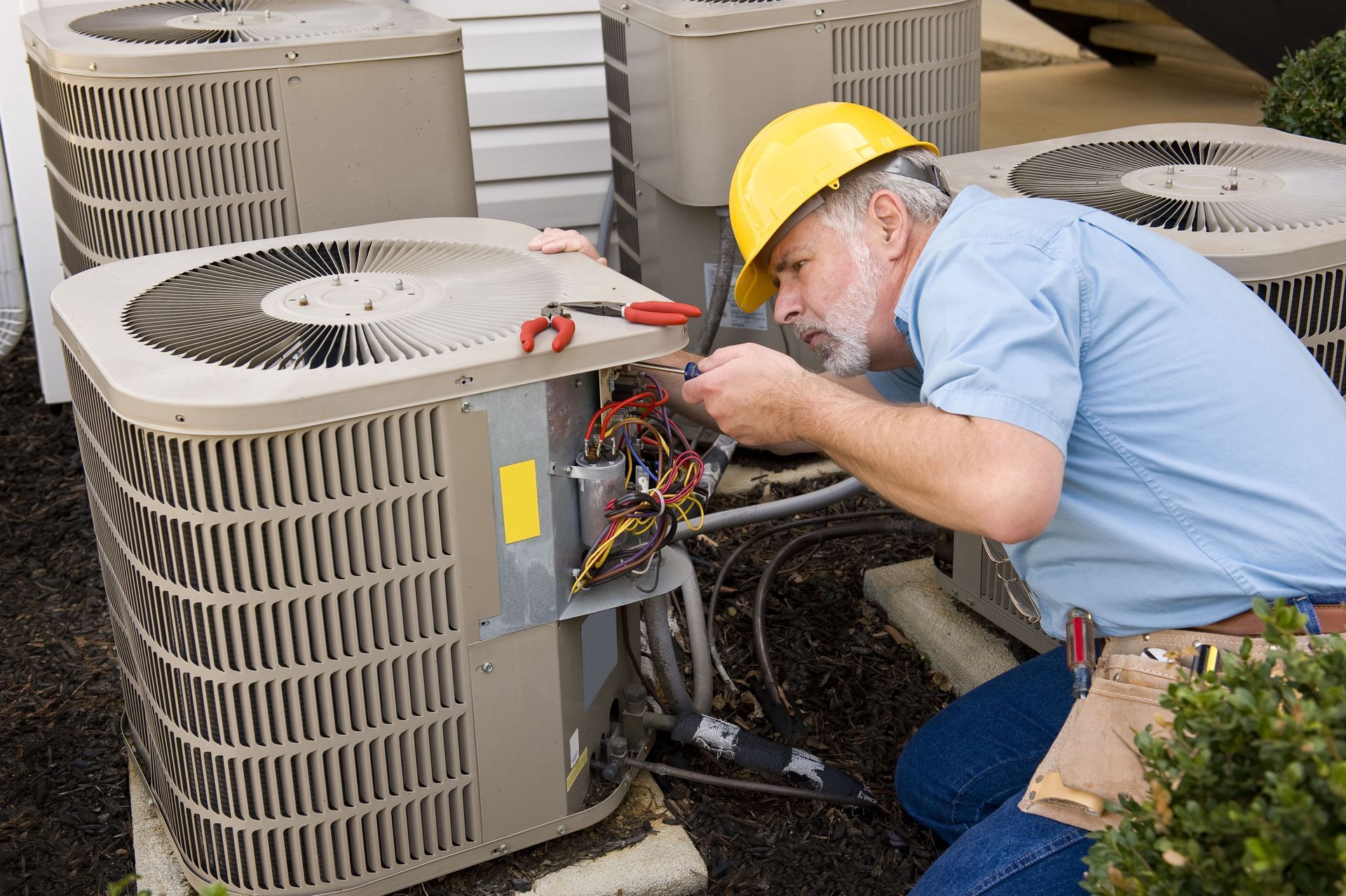
Professional technicians bring specialized tools to calibrate the system for the upcoming season. During a maintenance visit, a specialist will tighten electrical connections, check refrigerant levels, and clean the condenser coils. This proactive approach allows you to catch minor leaks or failing capacitors before they cause a system-wide shutdown. Scheduling these visits in the spring and fall ensures your home is ready for peak demand periods, effectively extending the years of service you get from your equipment.
Identifying Factors That Shorten System Life
The quality of the initial setup is the single most important factor in a system's long-term success. If an HVAC unit is improperly sized for the square footage of a home, it will short-cycle, turning on and off too frequently. This creates excessive wear on the compressor and ignition components. Professional installation ensures that the ductwork is sealed and that the refrigerant charge is precise. Systems that were poorly installed often require frequent local HVAC repairs early in their lifecycle.
Considering Climate and Environment
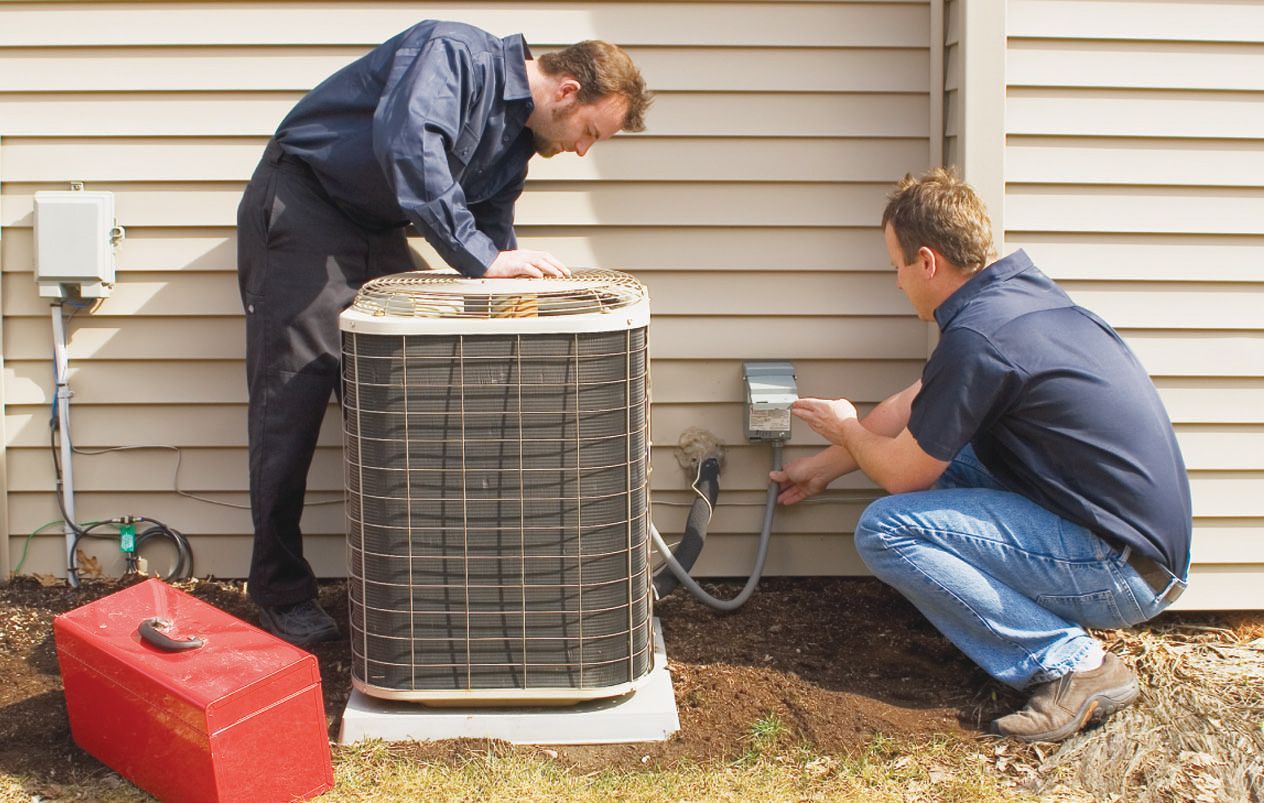
Environmental stressors play a major role in the degradation of outdoor units. Systems located in areas with high pollution or heavy foliage may suffer from clogged fins, which prevent heat from escaping the condenser. Proactive measures, such as keeping the area around the outdoor unit clear of debris and shading the unit from direct afternoon sun, can mitigate some of these location-based challenges. Regular local HVAC repairs focusing on cleaning these external parts can restore much of the system's lost efficiency.
Recognizing Signs of System Decline
If your system is running constantly but struggling to reach the temperature set on the thermostat, the unit is likely nearing the end of its functional life. This could be due to a failing compressor or a compromised heat exchanger. While some of these issues can be solved with local HVAC repairs, there comes a point where the cost of the fix exceeds the value of the aging system. Monitoring your utility bills for unexplained spikes is a reliable way to track this decline in real-time.
Hearing Unusual Mechanical Noises
Modern HVAC units are designed to operate relatively quietly. If you begin to hear rattling, squealing, or grinding sounds, it is an audible warning that internal parts are loose or failing. Squealing often points to a slipping belt or a failing motor bearing, while rattling may indicate that a panel or a fan blade is out of balance. Addressing these auditory symptoms through local HVAC repairs can prevent a small vibration from turning into a catastrophic mechanical failure.
Planning for Professional Restoration
When a system begins to show its age, the expertise of a technician is required to determine the best path forward. A professional can perform a load calculation to see if your home's needs have changed and provide a detailed report on the condition of your existing hardware.
Whether you are looking for high-efficiency HVAC upgrades or need immediate assistance with air duct and ventilation services, professional oversight is the key to longevity. Reliable maintenance ensures that your gas line services and water heater services are also functioning safely in tandem with your climate control. If your current unit is struggling to keep up with the demands of the season, it may be time to seek expert intervention.
Triangle Repair Group Heating & Cooling is dedicated to providing high-quality mechanical and air quality services tailored to your home's specific needs. Our team specializes in comprehensive HVAC services, including seasonal maintenance and plumbing fixture installs and repairs. We offer 24-hour emergency services to handle emergency heating and air repair whenever a crisis arises. From high-efficiency HVAC installations to local HVAC repairs, our technicians provide the precision and care your system requires. Contact Triangle Repair Group Heating & Cooling today to schedule your service and secure the long-term health of your home.