In this article, we explore the critical relationship between timely furnace repair and energy efficiency. Maintaining a functional furnace is essential for reducing energy consumption and lowering utility bills. Through timely furnace repair, homeowners can ensure consistent comfort during colder months while supporting more efficient system performance. The following sections outline how proactive furnace care contributes to improved energy use.
1. Improved Burner Efficiency
Reduce Fuel Waste
Efficient burner operation plays a key role in minimizing fuel consumption. When a furnace operates below optimal performance, it requires more fuel to maintain desired temperatures. Timely repairs, including adjustments and cleaning, help reduce unnecessary fuel use by restoring proper burner function.
Correct Improper Combustion
Furnaces rely on a balanced combination of air and fuel for proper combustion. When this balance is disrupted, efficiency drops and energy use increases. Addressing combustion issues through furnace repair helps restore proper operation and supports safer, more efficient heating.
Maintain Optimal Air-Fuel Mix
Maintaining the correct air-fuel ratio is essential for efficient furnace operation. When the balance is off, the system may struggle to produce consistent heat while using more energy than necessary. Regular inspections and adjustments help ensure proper combustion and consistent performance.
Perform Routine Cleaning
Dust, debris, and buildup can interfere with burner performance over time. Routine cleaning helps remove these obstructions, allowing the system to function more efficiently. Keeping components clean reduces strain on the furnace and supports consistent heat output.
Address Worn or Faulty Components
Over time, furnace components can wear down or become less effective, impacting overall efficiency. Addressing worn or faulty parts through furnace repair helps restore proper system function and reduces unnecessary energy use. Ensuring that all components are operating as intended supports consistent heating performance and prevents further damage.
2. Stronger Heat Exchanger Performance
Identify Cracks and Leaks
Cracks or leaks in the heat exchanger can allow heat to escape, forcing the system to work harder to maintain indoor temperatures. Early identification and correction of these issues help preserve energy efficiency and maintain safe operation. Routine inspections are essential in detecting problems before they worsen.
Ensure Effective Heat Transfer
The heat exchanger is responsible for transferring heat into the air circulated throughout the home. When this process is disrupted, the system requires more energy to achieve the same results. Keeping the heat exchanger clean and in good condition supports efficient heat transfer and consistent system performance.
Inspect the Exchanger Regularly
Regular inspections of the heat exchanger help identify early signs of wear, corrosion, or buildup. Addressing these concerns promptly prevents efficiency loss and reduces the risk of larger system issues. According to HomeGuide, a furnace generally has a lifespan of 15 to 30 years, depending on the brand, installation quality, fuel type, usage patterns, and maintenance frequency.
Maintain Heat Exchanger Condition
Maintaining the condition of the heat exchanger is essential for consistent furnace performance. Over time, wear and buildup can reduce its ability to transfer heat effectively, leading to increased energy use. Regular inspections and timely repairs help preserve its functionality and prevent efficiency loss.
Balance Circulation Levels
Proper air circulation ensures that heat is distributed evenly throughout the home. When airflow is uneven, certain areas may require more energy to stay warm. Adjustments that improve circulation help reduce strain on the system and support efficient operation.
3. Greater Blower Motor Efficiency
Lubricate Moving Parts
The blower motor plays a key role in distributing heated air. Over time, friction can increase as components wear, reducing efficiency. Proper maintenance helps minimize resistance and allows the motor to operate more smoothly.
Align Motor Settings
Correct motor settings help ensure consistent airflow throughout the home. When settings are misaligned, the system may use more energy than necessary to maintain comfort. Routine checks and adjustments help keep the blower motor operating efficiently.
Replace or Clean Filters
Air filters are essential for maintaining proper airflow within the system. When filters become clogged, airflow is restricted, causing the blower motor to work harder. Regular filter maintenance helps reduce strain on the system and improves overall efficiency.
4. Reduced Air Duct Leaks
Seal and Insulate Ducts
Air duct leaks can result in significant energy loss as heated air escapes before reaching living spaces. Sealing ducts helps improve efficiency by ensuring that conditioned air is delivered where it is needed. Proper duct maintenance supports consistent temperatures and reduces unnecessary energy use.
Identify Duct Leaks Through Inspection
A careful visual review and performance evaluation often reveal duct issues affecting airflow. Signs such as uneven temperatures, reduced airflow, or increased energy usage can indicate underlying problems. Addressing these concerns promptly helps restore proper airflow and reduces unnecessary strain on the system.
Assess Duct Condition for Efficiency
The condition of ductwork directly affects how efficiently a furnace operates. Damaged or poorly maintained ducts can disrupt airflow and force the system to work harder. Regular inspections and maintenance help keep ducts in good condition, supporting efficient system performance.
5. Better Thermostat Functionality
Calibrate for Precision
Accurate thermostat calibration ensures that indoor temperatures are maintained efficiently. When thermostats are not calibrated correctly, systems may run longer than necessary. Routine checks help maintain precise control and reduce unnecessary energy use. Proper calibration also helps maintain consistent comfort levels throughout the home.
Incorporate Smart Thermostats
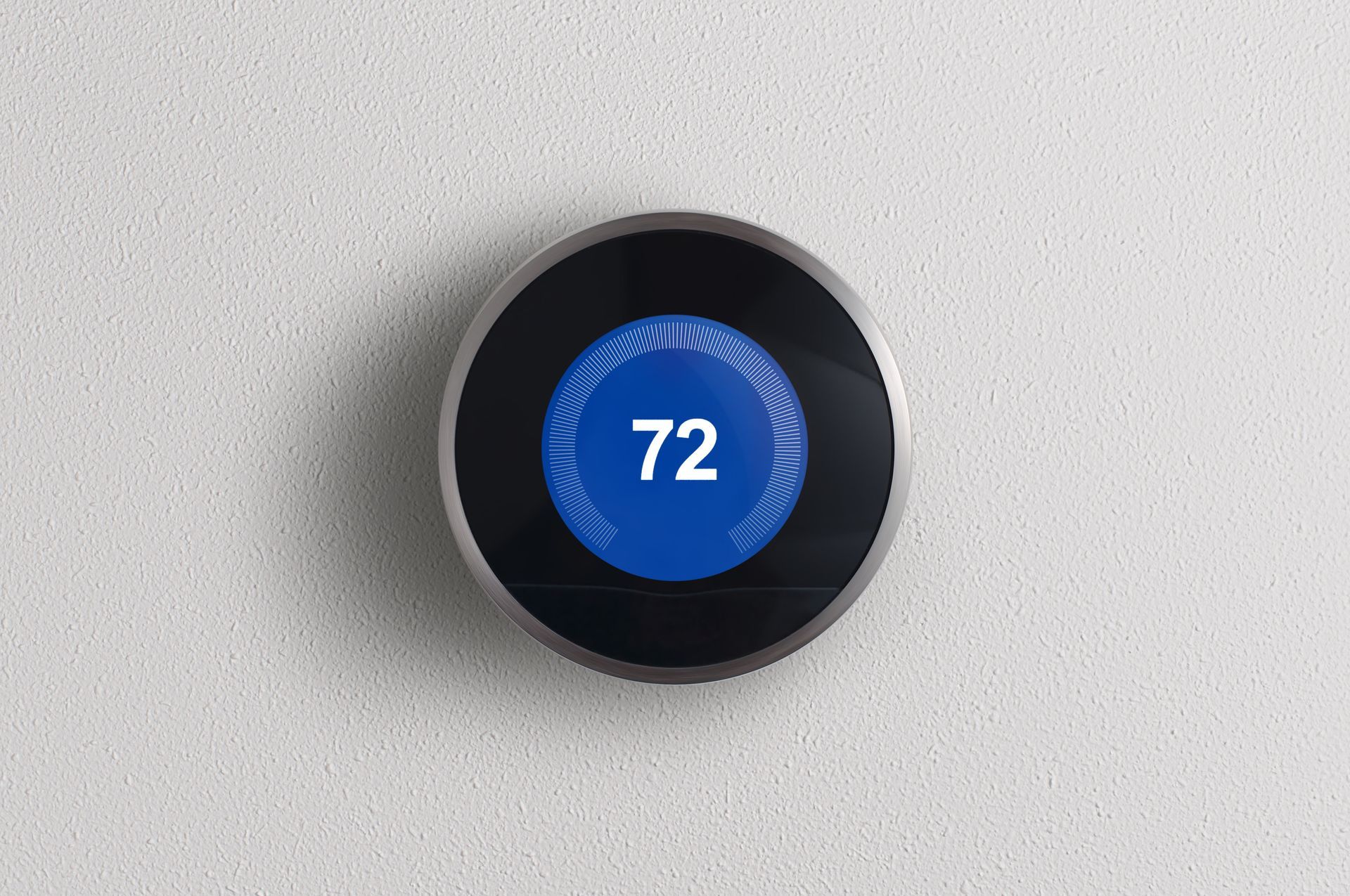
Smart thermostats offer improved control over heating schedules and temperature settings. These devices help manage energy use by adjusting temperatures based on usage patterns. Incorporating updated controls can support more efficient operation without compromising comfort. Remote access features can also make it easier to adjust settings as needed.
Adapt Temperature Control
Adaptive temperature control allows systems to respond to changing indoor conditions. Adjustments based on occupancy or environmental factors help reduce unnecessary energy consumption. This approach supports efficient system performance throughout varying conditions. It also helps create a more balanced and responsive indoor environment.
6. Consistent System Maintenance
Address Issues Promptly
Prompt attention to furnace concerns helps prevent minor issues from developing into larger problems. Timely furnace repair supports efficient operation and reduces unnecessary energy consumption. Staying proactive with maintenance helps preserve system performance. This approach also helps maintain consistent indoor comfort throughout the heating season.
Conduct Comprehensive Inspections
Comprehensive inspections evaluate all major furnace components to ensure proper function. Identifying and resolving issues early helps maintain efficiency and reduce the risk of unexpected breakdowns. Regular inspections play a key role in long-term system performance. Consistent evaluations also make it easier to plan for future repairs or system updates.
Schedule Preventive Maintenance
Scheduling maintenance at appropriate times helps ensure the system is ready for peak demand. Preventive care reduces the likelihood of performance issues and supports efficient operation. Well-timed maintenance helps extend system lifespan and maintain consistent energy use. Planning ahead also helps minimize disruptions during periods of heavy system use.
Timely furnace repair supports better energy efficiency and helps maintain steady, consistent heating throughout the home. Taking care of issues early, keeping components in good condition, and ensuring proper airflow all contribute to more effective system performance and lower energy use. Homeowners looking to maintain efficient operation and long-term comfort can learn more about available services with Triangle Repair Group Heating & Cooling.