Understanding when and how to replace your water heater is crucial for maintaining household efficiency and comfort. The water heater is an essential component for providing hot water for daily activities such as bathing, cooking, and cleaning. When it fails, it can cause disruptions and inconvenience, making routine tasks difficult to accomplish. This guide will walk you through the essentials of water heater replacement, ensuring you have the knowledge needed to recognize the signs of a failing unit. It will also cover how to choose the right replacement to fit your household's needs and preferences, thereby ensuring continued comfort and efficiency.
Recognize Signs of Aging
The age of a water heater is often the first indicator that replacement may be necessary. According to Bob Vila, a traditional tank-style system generally provides service for eight to 12 years, whereas a tankless alternative can potentially last between 15 and 20 years. Over time, components like the inner tank and heating elements wear out or accumulate sediment, decreasing efficiency. An older water heater is more prone to leaks and breakdowns, leaving you with unexpected cold showers. Knowing the age of your equipment can help you plan for a water heater replacement before a complete failure occurs.
Monitor Temperature Fluctuations
Inconsistent water temperature is a common symptom of an aging or malfunctioning water heater. If your showers fluctuate between hot and cold unexpectedly, it could be a sign that the thermostat is failing or sediment build-up is interfering with efficiency. Either issue can escalate into more significant problems if left unaddressed. Ensuring stable water temperature is critical for comfort and efficiency, so addressing these fluctuations promptly with a potential replacement can save future headaches. Regular maintenance may temporarily alleviate such issues, but recurring problems often signal the need for a complete system overhaul.
Listen for Unusual Noises
Unusual noises emanating from a water heater, such as popping, rumbling, or hissing, are not only an annoyance but also a warning sign. These sounds typically indicate that sediment has built up at the bottom of the tank, hardening over time and reducing the heater's efficiency. This sediment layer prevents the burner from effectively heating the water, resulting in increased energy usage and shortened equipment lifespan. If your water heater consistently makes these noises, it may be time to consider a replacement unit. Addressing these issues early can prevent more costly repairs or emergencies down the road.
Inspect for Rusty Water
Rusty water can indicate corrosion inside your water heater tank, often signaling that replacement is imminent. The presence of rust in your hot water is particularly concerning, as it can compromise water quality, stain laundry, and impact the taste of cooking and drinking water. While water coloration might sometimes be due to rusty pipes, a water heater nearing the end of its life span could be responsible. Internal rusting signifies that the anode rod, designed to protect the tank from corrosion, might have failed. If you suspect your system is the culprit, we can evaluate whether a water heater replacement is necessary.
Check for Active Leaks
Leaks around a water heater are a clear sign that replacement may be required. Puddles accumulating around the unit can result from several issues, including a crack in the tank due to expansion and contraction over time. Once a water heater tank begins to leak, professional repair is seldom a viable option. Leaks can lead to water damage to floors, walls, and belongings, requiring immediate attention. Scheduling a water heater replacement promptly is essential to prevent further damage and ensure a reliable hot water supply.
Learn About Storage Heaters
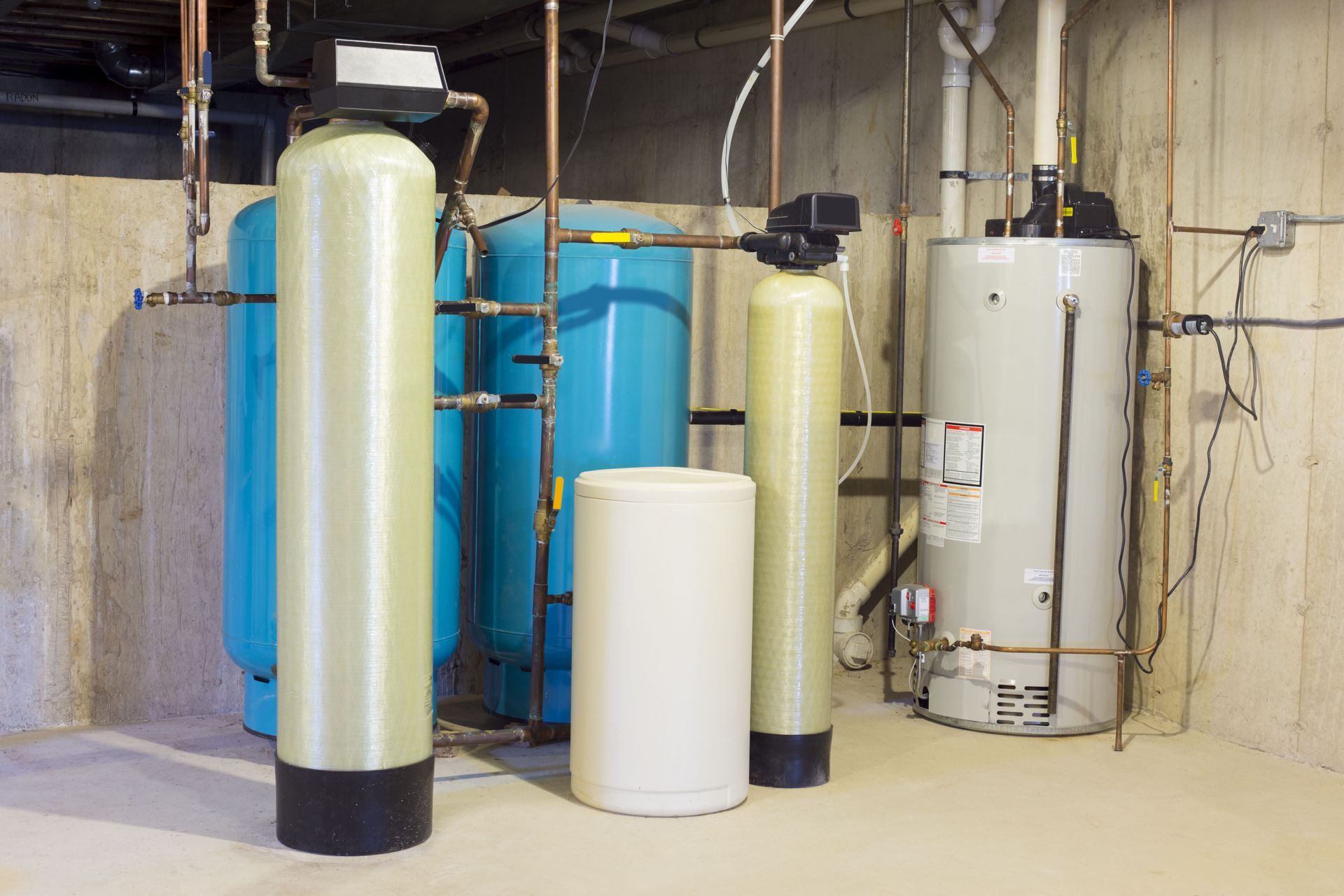
Conventional storage water heaters are the most common type found in households. They feature a tank that stores hot water, heated by either gas or electricity, which is available on demand. One of their main advantages is their ability to supply consistent hot water to multiple outlets simultaneously. However, they're generally less energy-efficient than newer models, as they continually heat stored water, leading to standby heat loss. When choosing a replacement, consider the unit's energy rating and tank insulation to meet your home's efficiency needs.
Consider Tankless Upgrades
Tankless water heaters, also known as on-demand or instantaneous water heaters, heat water only when needed, providing several benefits. They are often more energy-efficient as they eliminate the standby heat loss associated with conventional tank heaters. Their compact design saves space, and they supply a continuous flow of hot water to the property. However, initial costs can be higher and may require upgrading your home's electric or gas supply lines for optimal performance. Making this change is a common path forward when planning a modern water heater replacement.
Evaluate Heat Pumps
Heat pump water heaters use electricity to move heat from the air or ground to heat water, making them highly energy-efficient. They are suitable for installations in areas with moderate climate conditions, where they can provide savings on utility bills. Although the initial purchase price is higher than conventional units, their operational costs are lower, providing long-term financial benefits. Heat pump systems are environmentally friendly, reducing greenhouse gas emissions, which aligns with sustainable living goals. For those prioritizing eco-conscious choices, this option presents a compelling alternative for a water heater replacement.
Review Energy Ratings
Choosing a water heater with a high energy efficiency rating can have a profound impact on your energy bills and environmental footprint. Units with higher ratings consume less energy, translating into long-term savings despite possibly higher upfront costs. Check for the Energy Star label, which certifies that the appliance meets or exceeds energy efficiency guidelines set by environmental organizations. Efficient water heaters can also contribute to reducing greenhouse gas emissions, supporting sustainable living objectives. Comparing the efficiency ratings of different models can assist in making an informed decision.
Calculate Capacity Needs
The size and space requirements of a water heater influence the decision of which model to choose. It's important to calculate your household's peak hot water demand to determine the necessary capacity. Conventional heaters range in size and can take up significant space, while tankless units are compact and wall-mounted, making them suitable for smaller homes or apartments. For larger families or high-demand situations, a larger capacity storage tank might be needed. When upgrading your unit, ensure the new water heater fits well within the designated area to maintain efficiency and convenience.
Prepare the Installation Area
Preparing your home for a new water heater installation involves several key steps to ensure efficiency and safety. First, clear the installation area of any obstructions and ensure it is clean and accessible. Next, check that your home's energy systems, whether electric or gas, are compatible with the demands of the new unit. Ensuring proper ventilation, especially for gas water heaters, is critical to prevent carbon monoxide buildup. It's also wise to reinforce floors or walls if you're installing a heavier or wall-mounted heater to facilitate a smooth water heater replacement.
Schedule Professional Services
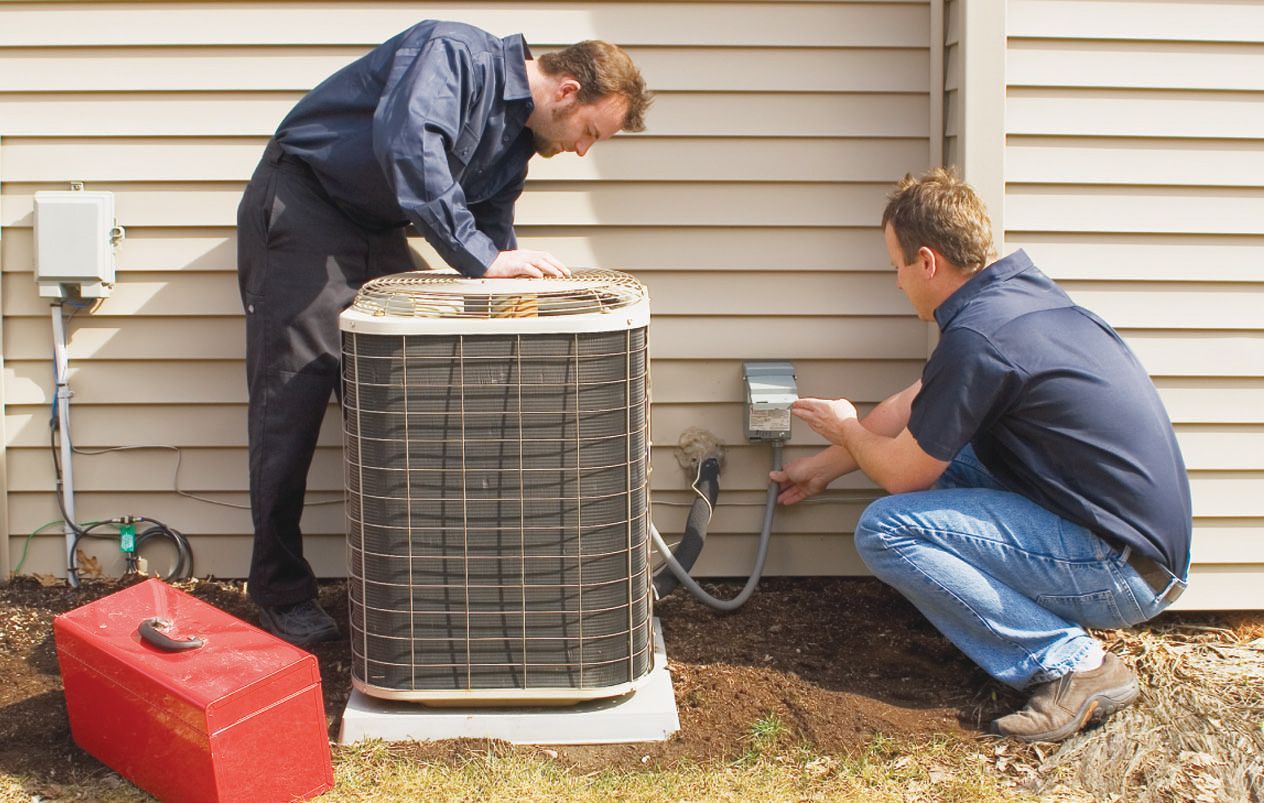
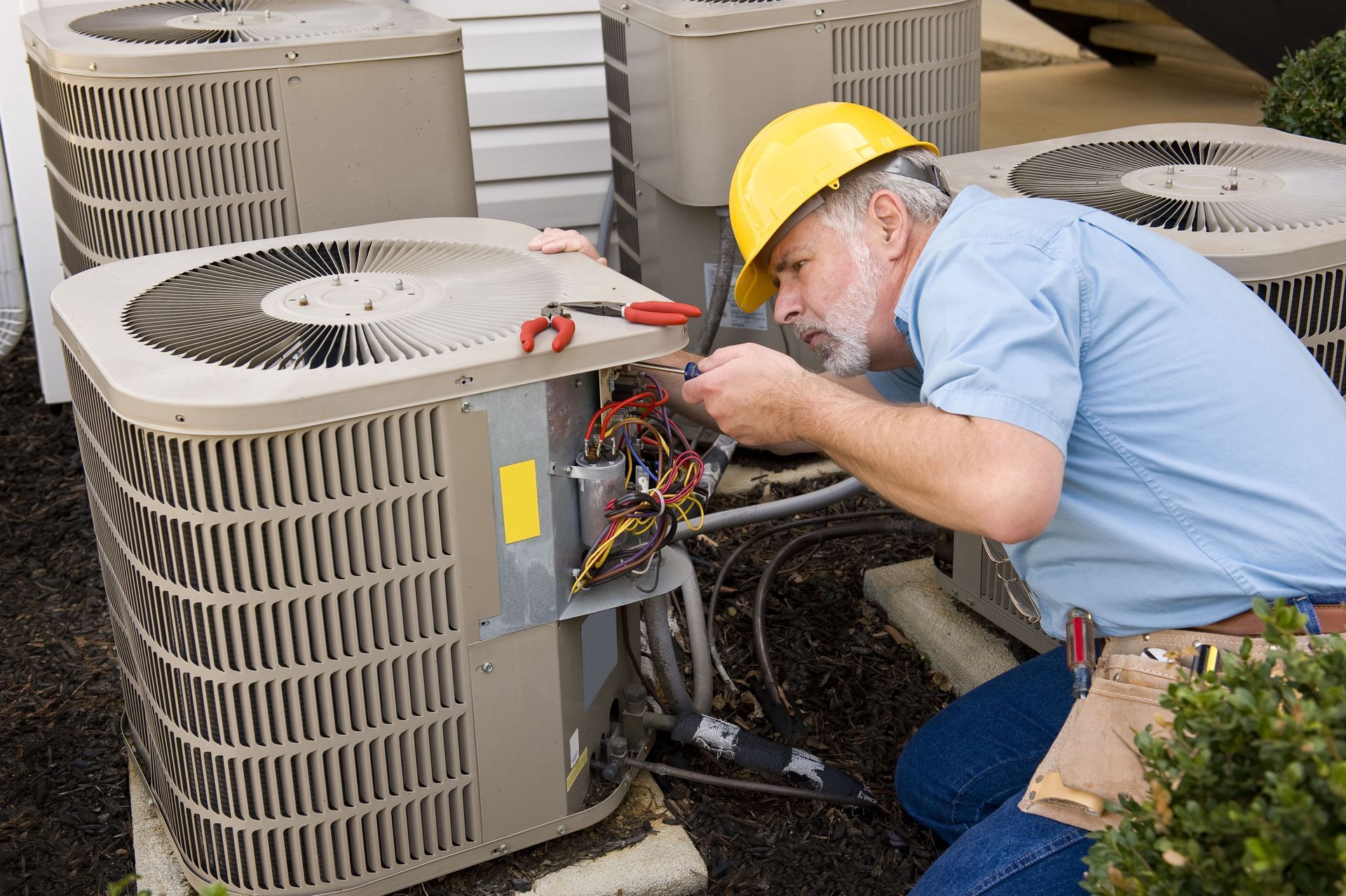
When planning your water heater replacement, scheduling and timeline management are important to consider. Account for potential delays in obtaining necessary permits or sourcing specific water heater models. Coordinate with our team to find a mutually convenient installation date that works for your schedule. Consider the impact on household activities if the water heater is out of service during the transition period. Planning appropriately avoids prolonged inconvenience and ensures the installation is carried out smoothly and efficiently.
Replacing a water heater is a significant task that requires careful consideration of several factors. By understanding the signs of a failing heater, such as age and performance issues, homeowners can anticipate replacement needs. Knowing the variety of water heater types and their benefits allows you to make informed decisions aligned with efficiency, cost, and environmental priorities. Proper preparation, from installation to maintenance, further ensures your new system delivers reliable hot water for years to come. When you are ready to upgrade your home, the experts at Triangle Repair Group Heating & Cooling are here to help with professional water heater services, fast responses, and available financing options in the Knightdale, NC area.